
Rubber Recess Former
Short Description:
Rubber Recess Former is a reusable formwork component used to position compatible lifting sockets and create a defined recess in precast concrete elements. Its rubber body forms the recess around the embedded lifting socket, while the threaded fixing arrangement secures the former to compatible formwork during concrete casting.
Product Details
Product Introduction
Rubber Recess Former for Precast Concrete
Rubber Recess Former is designed for use with compatible lifting sockets during the production of precast concrete elements. It helps position the lifting socket correctly within the formwork while creating a defined recess around the embedded component during concrete casting.
The former consists of a rubber body and a threaded fixing arrangement that secures it to the formwork. Before concrete is poured, the lifting socket is positioned within the former and held in the required location. After the concrete has hardened, the former can be removed to leave a formed recess around the lifting socket.
This type of recess former provides a practical way to prepare lifting points during precast production. The appropriate former should be selected according to the lifting socket configuration, required recess shape, formwork arrangement, and production requirements.
Key Features
- Durable Rubber Construction — The rubber body is designed for repeated use in precast concrete formwork applications while maintaining the required recess shape.
- Defined Recess Formation — Forms a consistent recess around the compatible lifting socket during concrete casting.
- Threaded Fixing Arrangement — A threaded rod and fixing nut secure the recess former to compatible formwork during setup and concrete pouring.
- Lifting Socket Positioning — Helps position the lifting socket at the intended location before concrete is cast.
- Removable Formwork Component — The former can be removed after the concrete has hardened, leaving the lifting socket embedded in the precast element.
- Reusable Design — The recess former can be reused for suitable precast production applications when properly handled and maintained.
- Easy Formwork Setup — The fixing arrangement allows the former to be positioned and secured as part of the normal formwork preparation process.
HOW IT WORKS
- Prepare the Formwork — Clean the relevant formwork surface and remove debris that could affect positioning or fixing.
- Fix the Recess Former — Position the former on the formwork and secure the threaded rod using the compatible fixing nut.
- Position the Lifting Socket — Place the compatible lifting socket inside the recess former and align it according to the required position.
- Pour the Concrete — Complete the formwork setup and pour the concrete around the lifting socket and recess former.
- Remove After Curing — Once the concrete has sufficiently hardened, release the fixing nut and remove the recess former from the formed recess.
- Lifting Point Ready — The lifting socket remains embedded in the precast element with a defined recess around the connection point.
Applications
Rubber Recess Former is used in precast concrete production where lifting sockets need to be positioned and formed with a defined recess.
Typical applications include:
- Precast concrete elements with embedded lifting sockets
- Precast concrete panels
- Precast beams and structural components
- Precast elements requiring recessed lifting points
- Steel formwork and casting table production
- Formwork setups where lifting sockets need controlled positioning
The actual application depends on the compatible lifting socket, formwork configuration, concrete element design, and required lifting arrangement.
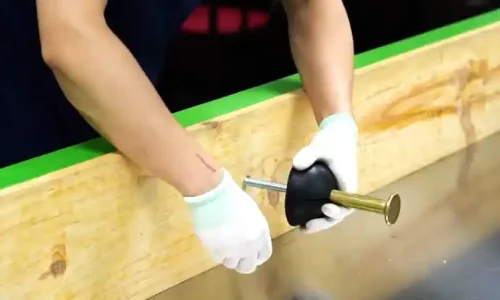
Product Specifications
Detailed product specifications are provided in the specification table below.
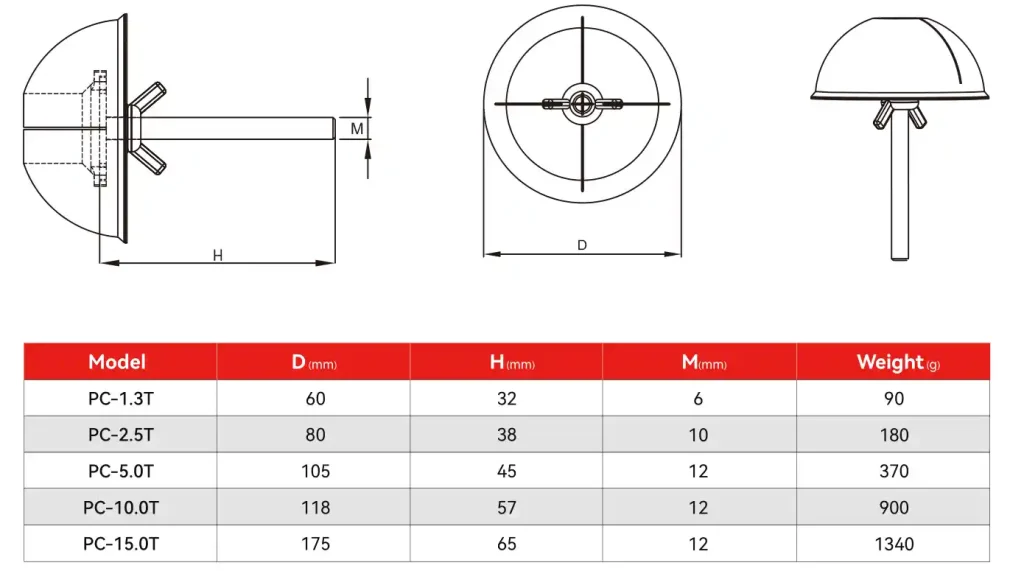
Selection Considerations
- Lifting Socket Compatibility — Select a recess former that matches the type and configuration of the lifting socket being embedded.
- Recess Requirements — Consider the required recess shape and dimensions for the finished precast concrete element.
- Formwork Compatibility — Check that the threaded fixing arrangement is suitable for the formwork and production setup.
- Socket Positioning — Consider the required location and orientation of the lifting socket within the concrete element.
- Formwork Surface Condition — The contact surface should be clean and suitable for stable positioning before concrete casting.
- Production Requirements — Select the appropriate configuration according to the precast element, formwork arrangement, and lifting-point requirements.
- Reuse Requirements — For repeated production, consider the expected frequency of use and handling conditions when selecting and maintaining the former.
FAQ
What is a Rubber Recess Former?
A Rubber Recess Former is a formwork component used to position compatible lifting sockets and create a defined recess around the embedded socket during precast concrete production.
What is a Rubber Recess Former used for?
It is used to form recessed lifting points around compatible lifting sockets in precast concrete elements while helping maintain the required socket position during casting.
How is a Rubber Recess Former fixed to the formwork?
The former uses a threaded fixing arrangement to secure it to compatible formwork. The fixing nut holds the former in position during formwork preparation and concrete casting.
When should the Rubber Recess Former be removed?
The former should be removed after the concrete has hardened sufficiently for the formed recess to retain its intended shape. The actual timing depends on the concrete and production process.
Can a Rubber Recess Former be reused?
Yes. A suitable rubber recess former can be reused for compatible applications when it remains in suitable condition and is properly handled between production cycles.
How do I select the right Rubber Recess Former?
Selection should consider the lifting socket configuration, required recess dimensions, formwork arrangement, fixing method, and the requirements of the precast concrete element.